
Last Updated: November 5, 2026
Quick Summary
Choosing products for colour-treated hair starts with your hair’s porosity, not the label: high-porosity hair needs heavier conditioning and gentle cleansing, while low-porosity hair needs lightweight formulas. Look for a sulfate-free shampoo with an acidic pH, match conditioner weight to your hair type, and wash two to three times a week with lukewarm water.
- Test porosity by dropping a clean strand in water: floating means low porosity, sinking fast means high.
- Check the first five ingredients for surfactant strength and conditioning agents, not just the sulfate-free badge.
- Wash colour-treated hair two to three times a week with lukewarm water, never hot.
- Use a hair mask once a week, or twice for dry, bleached or high-porosity hair.
- Red fades fastest because its pigment molecules are large and sit closer to the surface.
Table of Contents
- Start With Your Hair Type and Porosity, Not the Label
- The Best Shampoo for Colour-Treated Hair: What to Look For
- Choosing a Conditioner for Colour-Treated Hair
- How Often to Wash Colour-Treated Hair Without Stripping Colour
- When to Use a Hair Mask for Colour-Treated Hair
- Matching Products to Blonde, Red and Vibrant Shades
- Protecting Colour From Heat, Sun and Local Water
- Book a Colour Consultation at Prima ltd in Ħal Balzan
- Frequently Asked Questions
Start With Your Hair Type and Porosity, Not the Label
Choosing products for color treated hair starts with one question: how does your hair absorb and hold moisture? This guide from Prima ltd in Ħal Balzan explains how to choose products for colour-treated hair by reading your hair first and the bottle second. Colour sits inside the hair cuticle. If the cuticle is porous, rough or dry, pigment escapes faster and fades sooner. A product labelled “colour-safe” cannot fix that on its own.
How Porosity Changes What Your Colour-Treated Hair Needs
Hair porosity is the measure of how easily hair takes in and loses moisture through the cuticle. Low-porosity hair resists moisture and can feel coated. High-porosity hair drinks up water fast, then loses it just as fast.
Test it at home: drop a clean strand into a glass of water. If it floats, porosity is low. If it sinks quickly, porosity is high. High-porosity, colour-treated hair needs heavier conditioning and gentle cleansing. Low-porosity hair needs lightweight formulas that will not sit on the surface.
The Best Shampoo for Colour-Treated Hair: What to Look For
The best shampoo for colour-treated hair cleans gently, holds an acidic pH, and skips harsh sulphates. Look for a sulfate-free shampoo that protects colour retention rather than one that simply claims to be colour-safe on the front.
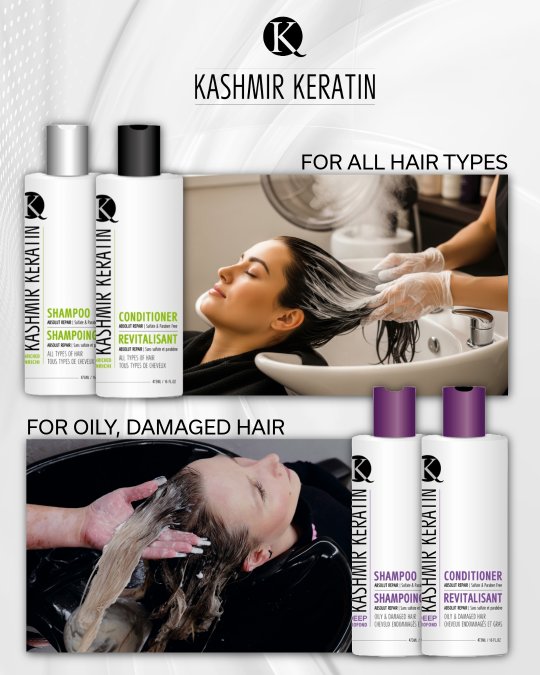
A good colour-treated shampoo should do four things:
- Clean without stripping the cuticle
- Support colour retention and shine
- Leave hair soft, not squeaky
- Rinse clean without leaving a heavy film that dulls pigment
Prima ltd stocks professional formulas such as RUSK hair care and Biotop Professional, both built around gentle cleansing. For a concentrated colour-locking option, see the Vivid Color Locking Shampoo.
Reading the Ingredient Label Beyond Sulphate-Free
“Sulphate-free” is a starting point, not a guarantee. A shampoo can be sulphate-free and still strip colour if the surfactant blend is strong or the pH is high. Read the full list, not just the badge.
Cleansing agents (surfactants). These appear near the top of the list. Gentler options include glucosides (such as coco-glucoside and decyl glucoside), isethionates (sodium cocoyl isethionate), and sulfosuccinates (disodium laureth sulfosuccinate).
pH. Colour-treated hair holds pigment best when the cuticle lies flat, which happens at an acidic pH. Most professional colour-care shampoos sit in the mildly acidic range.
Conditioning and moisture agents. Look for glycerin, plant oils, panthenol, and hydrolysed proteins. These help offset the drying effect of cleansing and support softness.
Silicones. Fine in small amounts, but heavy layers (especially non-water-soluble silicones near the top of the list) can build up and dull colour. Water-soluble silicones rinse more cleanly.
Potential irritants. Fragrance and some preservatives can irritate a sensitive scalp. If you have reacted before, patch test a small amount behind the ear before full use, and follow the product instructions.
A common mistake is buying a sulphate-free shampoo that still strips colour because the surfactant blend is strong.
A Quick Shampoo Selection Check
Use this short sequence before you buy:
- Match the cleanser to your scalp. Oily scalp needs a slightly stronger gentle cleanser; dry or sensitive scalp needs the mildest option.
- Match the weight to your hair. Fine hair suits lightweight, low-oil formulas; coarse or high-porosity hair can take richer ones.
- Check the first five ingredients for surfactant strength and conditioning agents.
- Confirm the pH direction (mildly acidic) and whether the label makes a specific colour-retention claim.
- Patch test if your scalp is reactive or the formula is heavily fragranced.
Watch out: guessing from the front label alone often leads to a shampoo that is either too stripping for red and vibrant shades or too heavy for fine blonde hair.
Choosing a Conditioner for Colour-Treated Hair
A conditioner for colour-treated hair should seal the cuticle and add moisture without weighing hair down. Match the weight to your hair type: fine hair needs a light formula, coarse or high-porosity hair needs a richer one.
Apply from mid-length to ends and rinse cool to help close the cuticle. Prima ltd carries matching options, including the Vivid Color Locking Conditioner from RUSK, which protects colour while leaving hair soft and manageable. Pairing shampoo and conditioner from the same range keeps the pH and ingredients consistent.
How Often to Wash Colour-Treated Hair Without Stripping Colour
Washing colour-treated hair two to three times a week suits most people. Every wash opens the cuticle and lets some pigment escape, so washing frequency matters more than most people think.
Use lukewarm water, not hot. Hot water opens the cuticle and speeds colour loss. On non-wash days, a dry shampoo or a quick water rinse keeps hair fresh. If you swim or sweat often, rinse with cool water and use a gentle cleanser rather than a strong clarifying shampoo.
When to Use a Hair Mask for Colour-Treated Hair
Use a hair mask for colour-treated hair once a week, or twice if hair is dry, bleached or high-porosity. A mask delivers deeper conditioning than a daily conditioner and helps rebuild softness and shine.
- Fine hair: 5-10 minutes, mid-length to ends only
- Dry or bleached hair: 15-20 minutes, once or twice weekly
- Skip the roots: masks can weigh down the scalp
If you also maintain a keratin treatment, the guide to maintaining keratin treated hair pairs well with a weekly mask routine.
Matching Products to Blonde, Red and Vibrant Shades
Colour shade changes what your hair needs. Blonde and bleached hair is usually more porous, so it fades and turns brassy faster. Red and vibrant shades lose pigment quickest because red molecules are large and wash out easily. Dark brown and brunette shades tend to fade more slowly but can turn dull without shine support.
| Shade | Main Risk | What to Prioritise |
|---|---|---|
| Blonde / bleached | Brassiness, dryness | Toning shampoo, deep conditioning, UV protection |
| Red | Fast fading | Gentle cleansing, cool rinses, pigment-depositing care |
| Vibrant colours | Colour loss | Sulfate-free wash, UV protection, infrequent clarifying |
| Dark brown | Dullness | Shine-boosting conditioner, gentle cleansing |
Blonde and Bleached Hair
Bleached hair is the most porous of the colour groups, so it loses moisture and tone fastest. A toning shampoo helps keep blonde cool, but toning products are not daily cleansers, most people use them once or twice a week alongside a gentle colour-safe shampoo. Deep conditioning once or twice weekly offsets the dryness that comes with lightening. UV exposure accelerates brassiness, so a UV spray matters more for blonde than for any other shade.
Red Hair
Red pigment molecules are large and sit closer to the surface, which is why red fades faster than any other salon colour. Gentle cleansing and cool rinses are the priority. Pigment-depositing products refresh red between salon visits, but they can build up if overused, follow the product instructions and space them out. Hot water and frequent washing are the two biggest causes of fast red fade.
Vibrant and Fashion Shades
Vibrant colours, pinks, purples, blues, greens, lose intensity with every wash. Sulfate-free washing, UV protection, and infrequent clarifying are the core routine. Clarifying is still needed occasionally to remove mineral and product build-up, but it should be a monthly reset, not a weekly habit, or the colour will lift with it.
Dark Brown and Brunette
Brunette shades fade more slowly but can turn dull without shine support. A shine-boosting conditioner and gentle cleansing keep tone rich. Over-cleansing is the main risk; a monthly gentle clarifying wash handles build-up without stripping tone.
A Shade-Based Selection Check
Before buying, run through this short sequence:
- Identify your shade group (blonde, red, vibrant, brunette).
- Match the main risk to the product category, toning for blonde, pigment-deposit for red and vibrant, shine for brunette.
- Check the weight against your porosity and texture (fine hair needs lighter formulas).
- Confirm the frequency, toning and pigment-depositing products are not daily cleansers.
- Patch test pigment-depositing and heavily fragranced products before full use.
Prima ltd’s professional ranges include Biobotanic Abril Et Nature. Pairing a shade-appropriate shampoo with a matching conditioner keeps the pH and ingredients consistent.
Watch out: using a toning shampoo daily, or a pigment-depositing product without following its instructions, can leave uneven tone or a heavy cast rather than a refreshed shade.
Protecting Colour From Heat, Sun and Local Water
Heat styling, sun and water all speed up colour fading.
Always use heat protection before styling. The Abril Et Nature Keratin Thermal Protector Spray shields hair from heat damage, while the Protect Hair Sun Spray guards against UV rays, salt and chlorine. For sun and sea days around Ħal Balzan, apply UV protection before you go out.
A simple routine by wash day:
- Wash day: sulfate-free shampoo, conditioner, cool rinse
- Weekly: hair mask
- Before heat: thermal protector
- Outdoors: UV spray
Book a Colour Consultation at Prima ltd in Ħal Balzan
Getting the right products for colour-treated hair is easier with expert eyes on your hair. Prima ltd brings over four decades of experience and stocks professional brands including BabylissPro, Kashmir Keratin, Biobotanic Abril Et Nature, RUSK hair care and Biotop Professional. Prima ltd offers a consultation to help match your hair type and shade to a routine.
Watch out: guessing your porosity or shade needs can lead to the wrong product weight and faster fading.
Frequently Asked Questions
How do I choose the right shampoo for colour-treated hair?
Look for a sulphate-free or gentle-cleansing formula with an acidic pH, because harsh detergents lift the cuticle and speed up colour fading. Match the shampoo to your hair type: dry or porous hair benefits from hydrating formulas, while fine hair needs lightweight options that will not weigh it down. If you have blonde or bleached hair, a toning or pigment-depositing shampoo helps control brassiness. Professional lines such as Biotop Professional and Kashmir Keratin are carried by Prima ltd in Ħal Balzan.
What ingredients should I look for in colour-safe hair products?
Beyond the sulphate-free claim, check for gentle surfactants, acidic pH, hydrating agents such as glycerin or plant oils, and UV filters that slow colour loss. Avoid high concentrations of clarifying agents unless you need a periodic reset, and be cautious with strong alcohols high on the list. Protein or keratin ingredients can help porous, damaged hair retain moisture and shine. Patch test any new product on a small area first if your scalp is sensitive, and introduce one product at a time so you can tell what works.
How often should I wash colour-treated hair?
Most colour-treated hair does best with two to three washes a week, using lukewarm water and a sulphate-free shampoo. Washing daily strips moisture and accelerates fading, especially on red and vibrant shades. Between washes, use dry shampoo or simply rinse with water on hot days. If you exercise often or have an oily scalp, a gentle daily cleanse with a colour-safe formula is still better than a harsh shampoo used less often. Adjust frequency based on how your scalp feels and how quickly your colour fades.
Can I use a hair mask on colour-treated hair?
Yes, and a weekly hair mask is one of the most effective ways to maintain softness and shine after colouring. Choose a mask formulated for colour-treated hair, apply it from mid-lengths to ends after shampooing, and leave it on for the time stated on the pack. Overuse can make fine hair limp, so once a week is usually enough unless your hair is very dry or bleached. Prima ltd stocks Biobotanic Abril Et Nature and RUSK hair care.
Colour-treated hair asks for the right match, not the biggest bottle. Prima ltd offers professional-grade products and in-salon advice to protect colour, softness and shine. Get started with Prima ltd and book your appointment for a colour consultation tailored to your hair.
